The Enigma of the Utsuro-bune (The Hollow Ship)
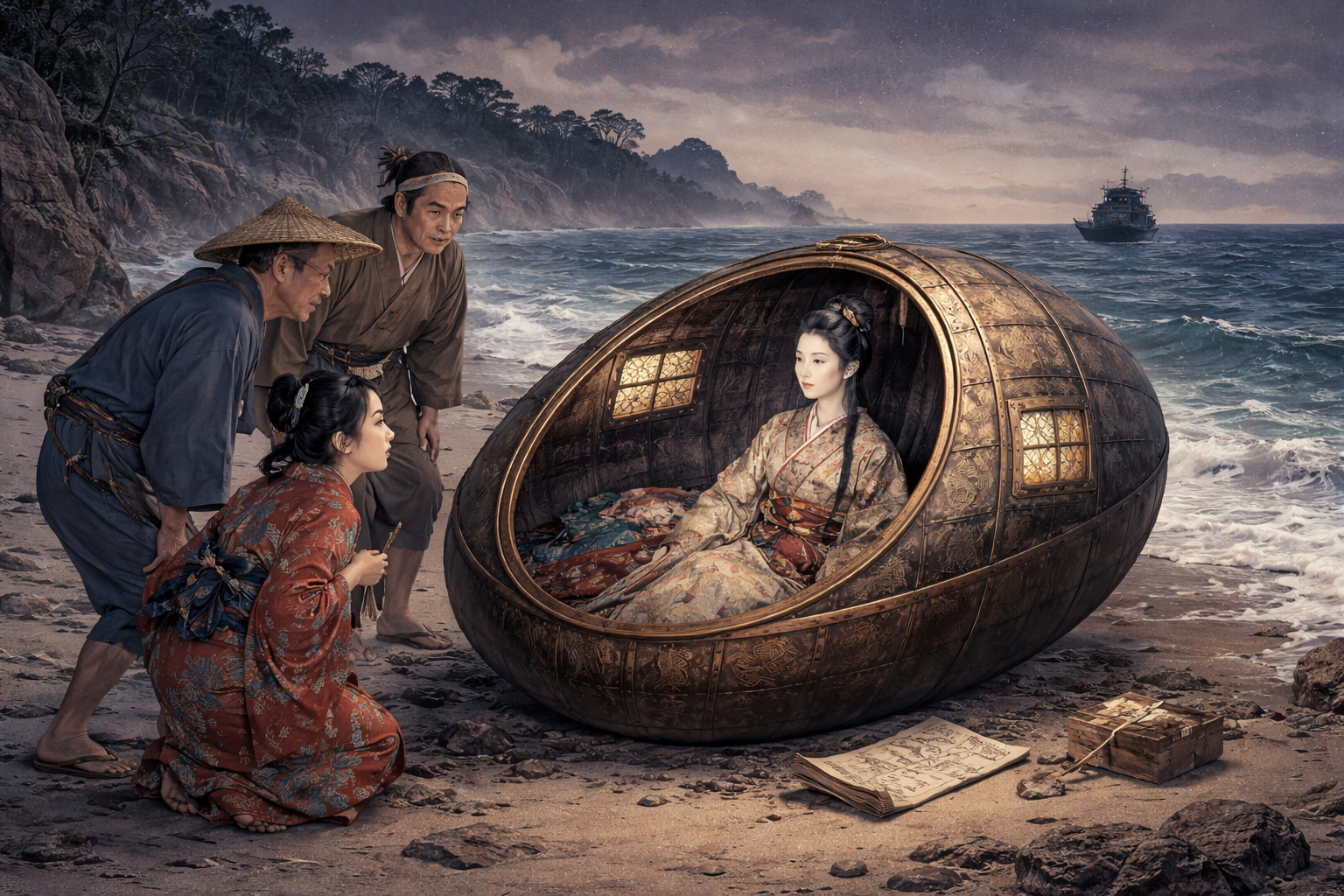
On a cold shoreline in 1803, fishermen pulled something from the sea that did not behave like wreckage and did not feel like a gift. It was sealed, heavy, and silent. Inside sat a young woman who could not speak their language, guarding a box she would not release. The villagers did not attack her, nor did they help her. Instead, fearing the trouble her presence might bring, they pushed her back into the waves.

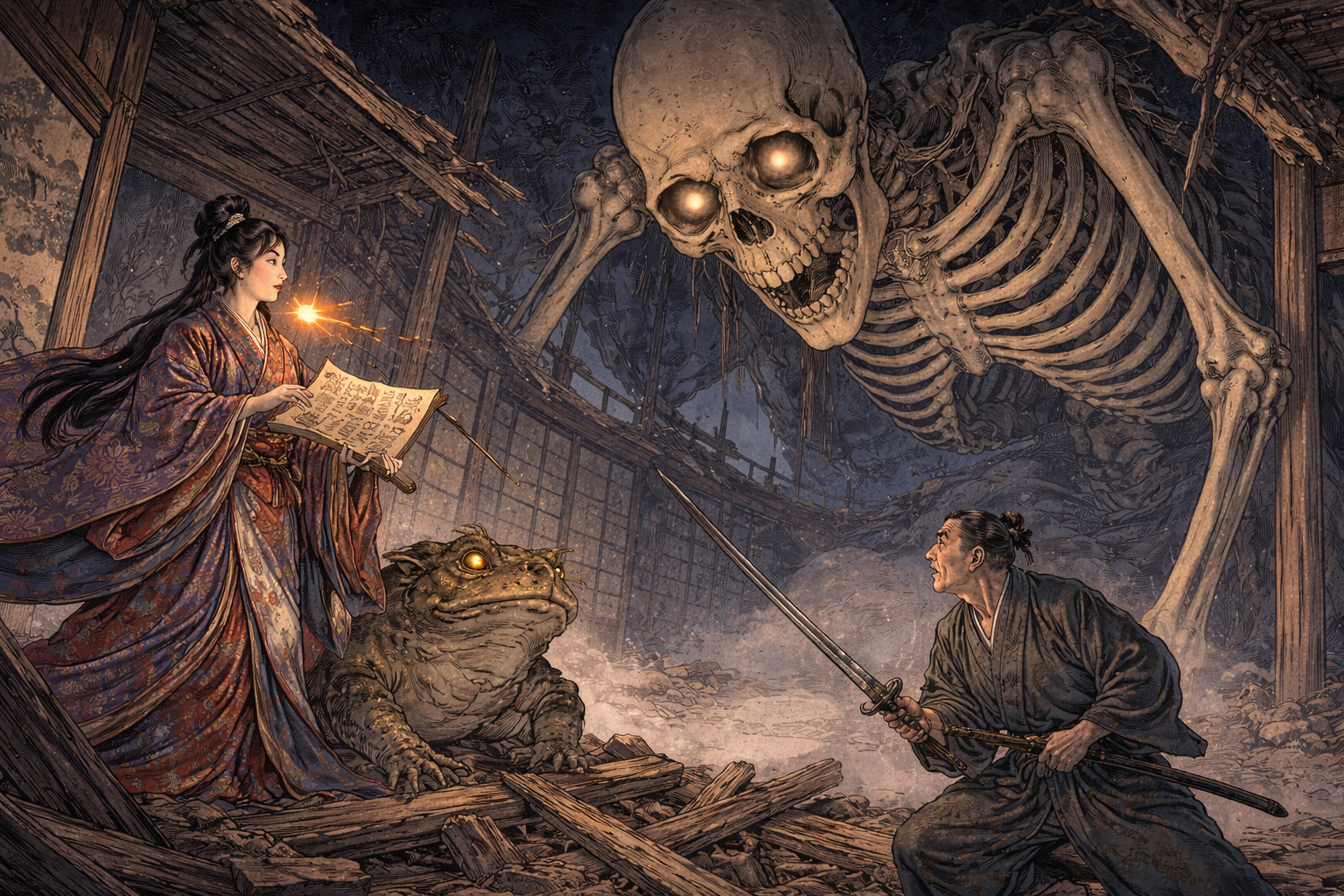
Takiyasha-hime and the Starving Skeleton
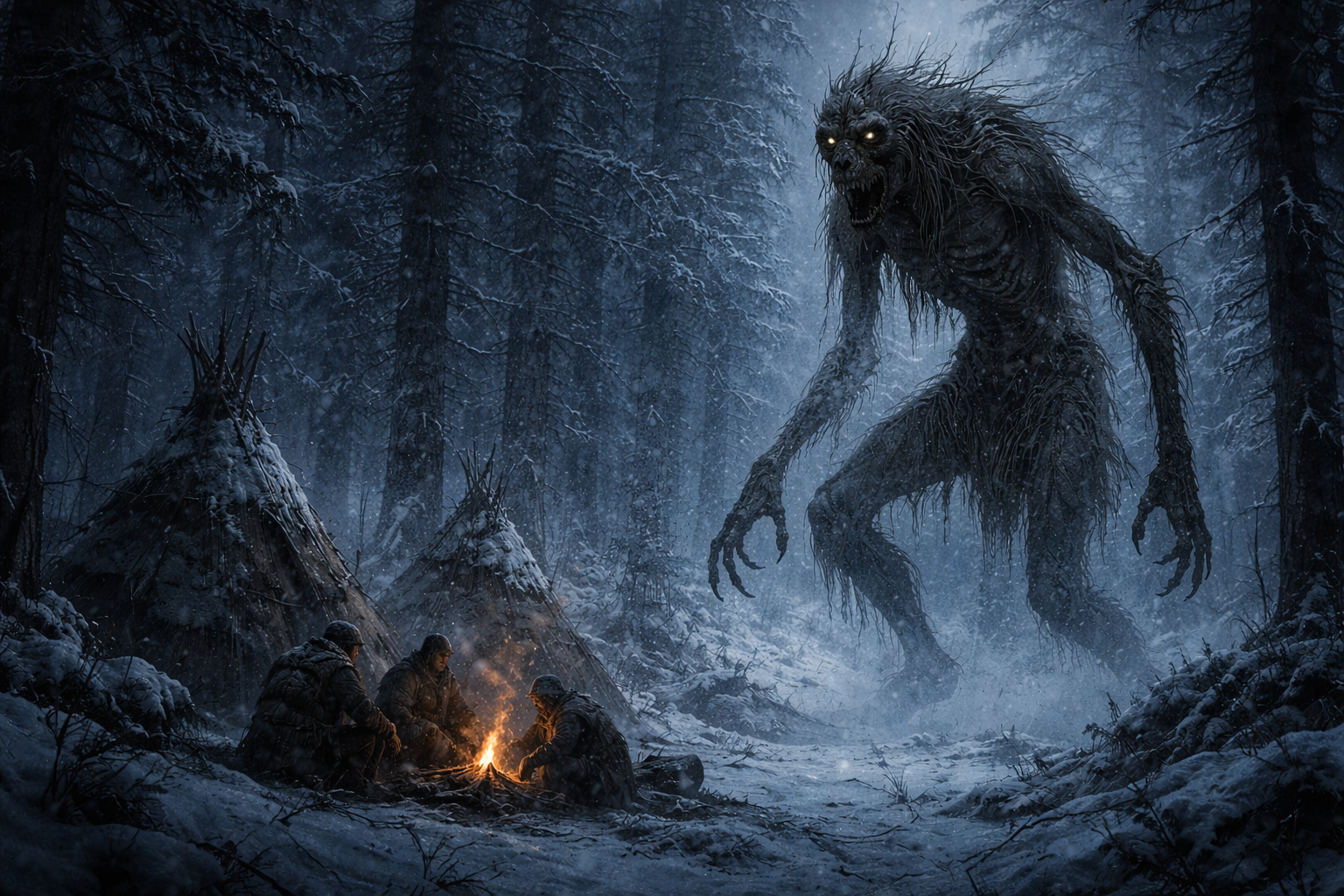
After her father was executed as a rebel, Takiyasha-hime did not fade into mourning. She stayed. In ruined halls, she called upon the dead those left unburied, unfed, forgotten. From their bones rose a skeleton too large to ignore. The monster was not her rage alone; it was the hunger and violence of war given shape. The Gashadokuro does not hunt the living for sport. It rises because too many were never allowed to rest.

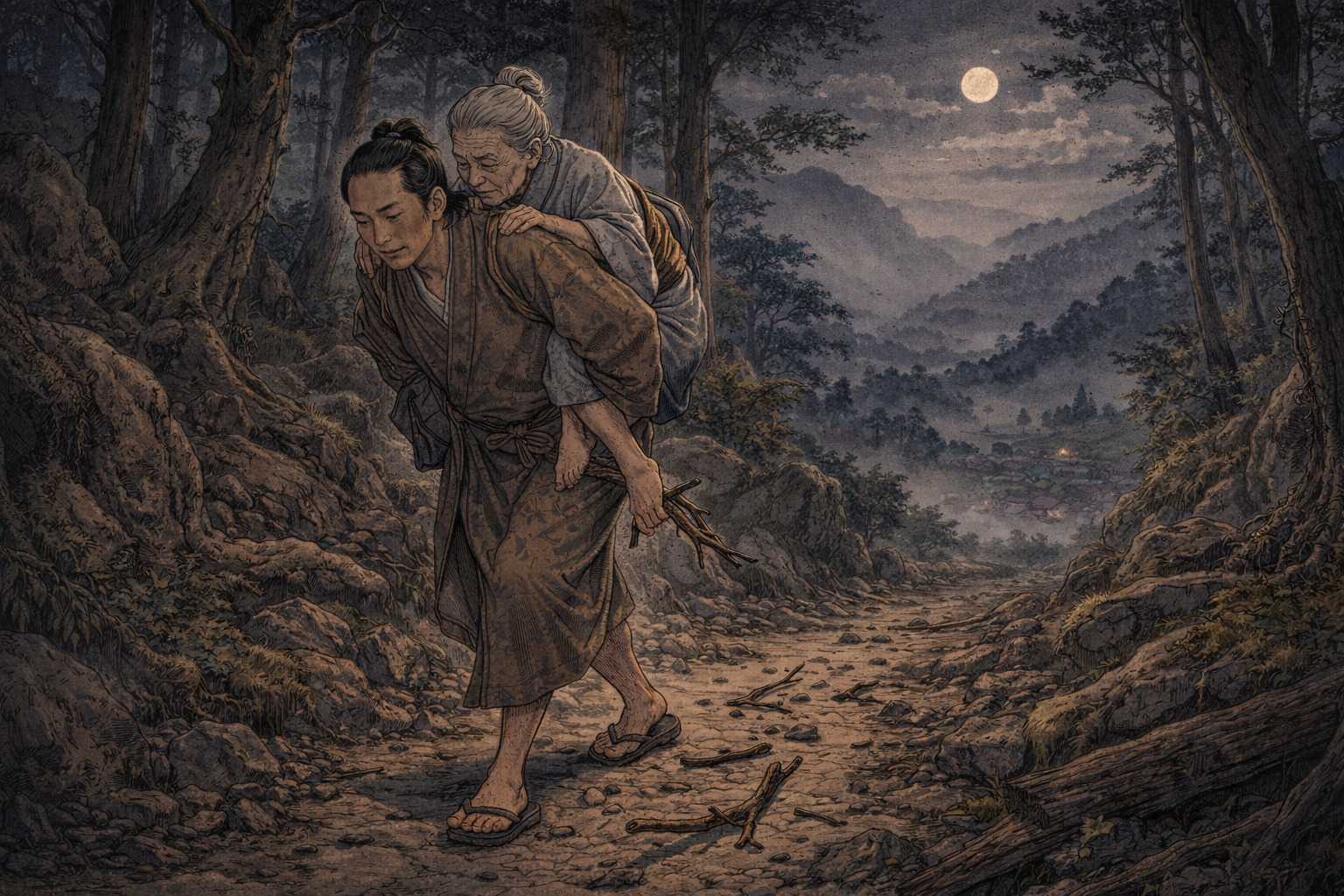
Ubasute — The Mountain Where No One Wanted to Look Back
The mountain was quiet. The son climbed in silence, his mother’s arms around his neck. Along the way, she snapped twigs and dropped them behind them. He thought she was planning to return. Only at the summit did he learn the truth she was marking the path so he would not lose his way home. Ubasute is not a story about cruelty. It is about love surviving even when survival itself becomes cruel.

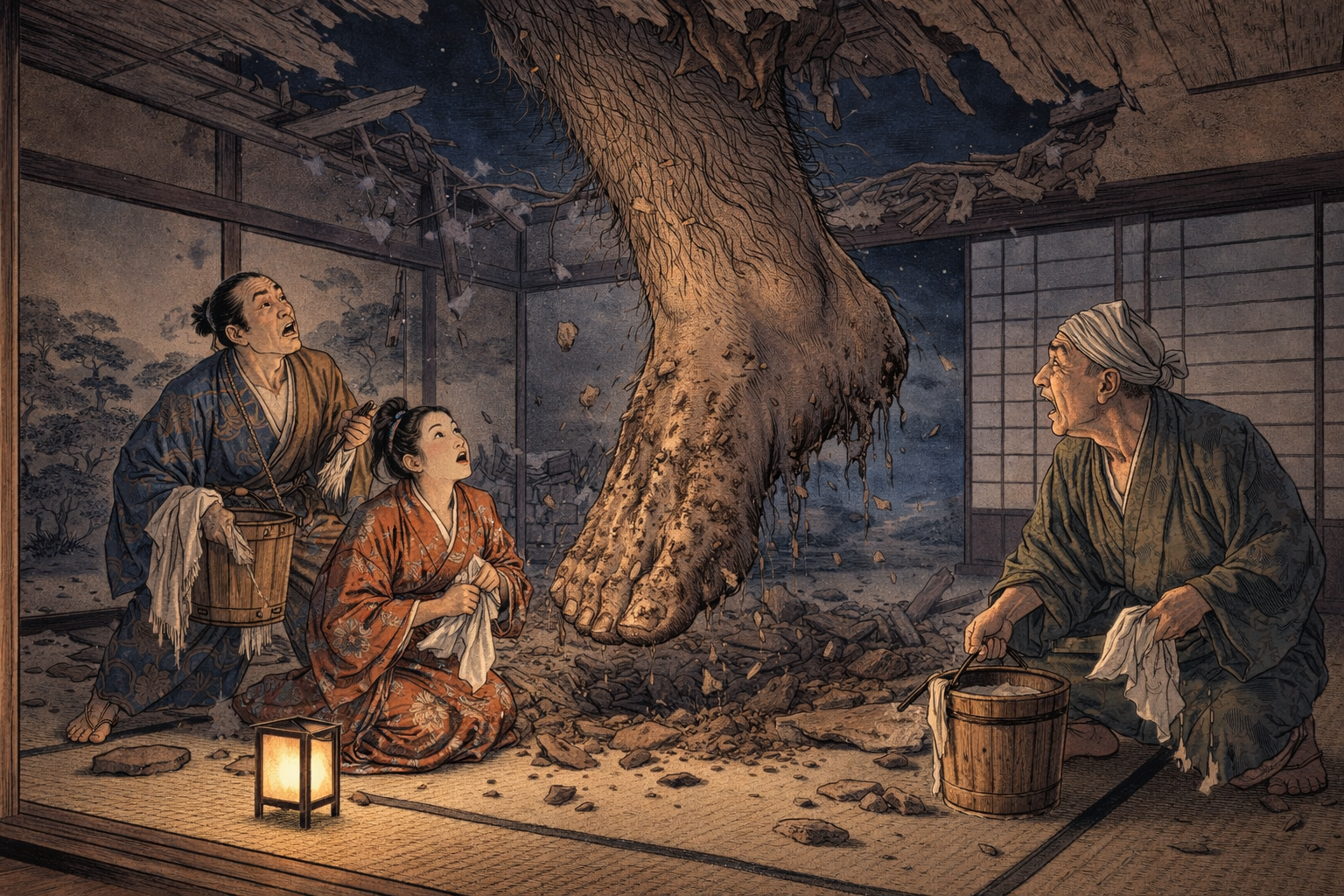
The Foot That Came Through the Ceiling
In a respectable samurai house in Edo, something began to demand service. Not a ghost, not a demon just a filthy, enormous foot crashing through the ceiling, ordering to be washed. And the household obeyed. Night after night, terror turned into routine. Buckets were filled, rags were wrung out, and the foot was cleaned like a guest who could not be refused. The horror of Ashiarai Yashiki lies not in the monster, but in how quickly people adapt to the absurd when obedience has been trained into them.

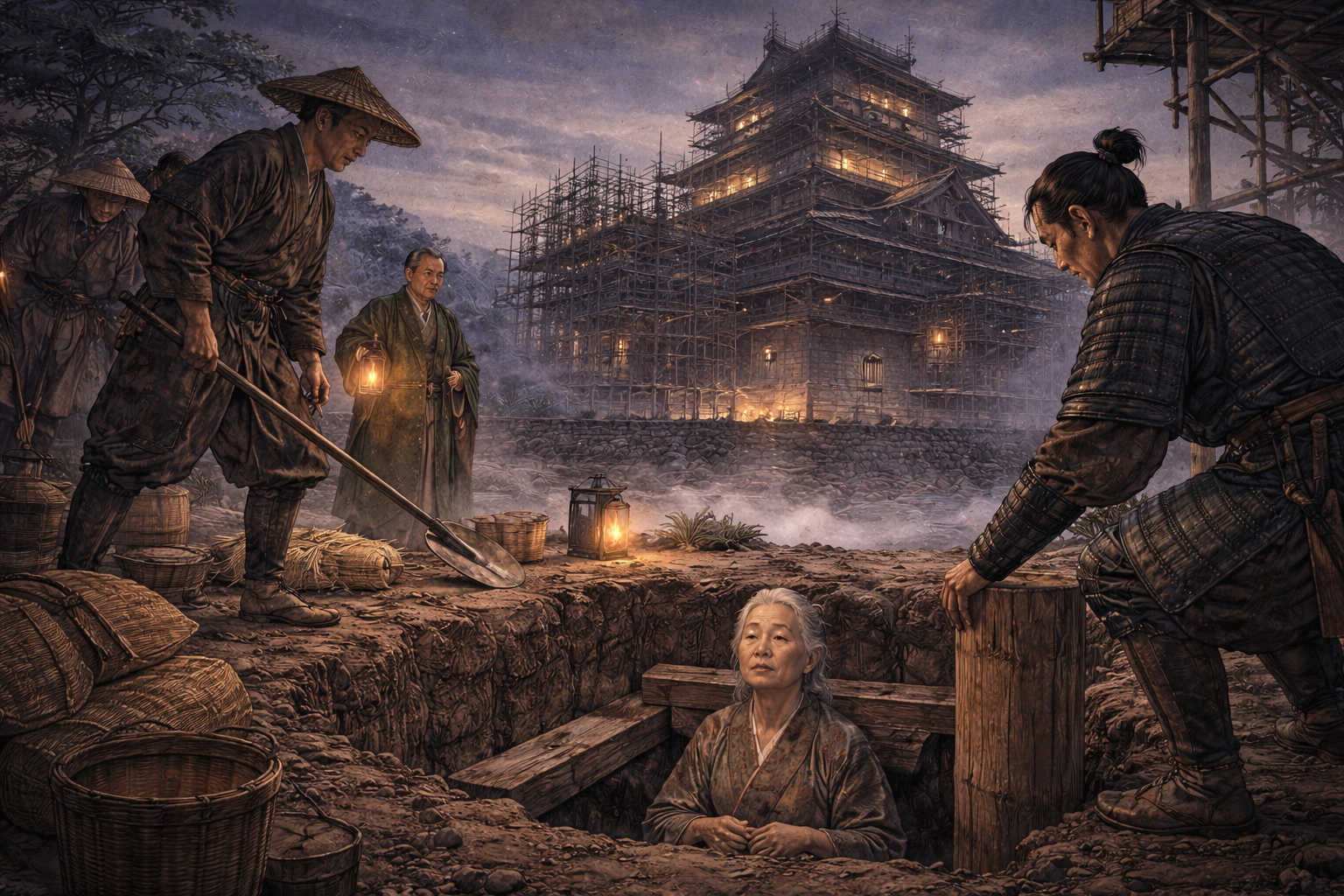
Hitobashira and the Woman Beneath the Castle
The castle would not stand. Walls collapsed again and again, until someone suggested feeding the land a life. O-shizu, poor and powerless, agreed to be buried alive so her son might rise above poverty. The stone walls held but the promise did not. Forgotten beneath the keep, she became rain, mist, and memory. The legend of O-shizu is not about superstition; it is about what societies choose to bury in order to build.
Featured
The Enigma of the Utsuro-bune (The Hollow Ship)
Recently Added
Fresh stories from the community

Trending Stories
Discover the most popular tales our community is reading
Discover Something New
Random picks from our collection